
When the World's Biggest Sporting Event Scores an Own Goal
Sport: Good for our health? This World Cup challenged that perception.

For decades, we’ve been told that sport inspires us. It builds character. It teaches teamwork, resilience and respect.
The 2026 FIFA World Cup challenged that idea for me - and I’m sure many others:
From changing the rules: since when was there ever a 30-minute half-time break? To introducing hydration breaks (?), late-night/early morning kick-offs, political interference, and scenes that looked more like street fights than the conclusion of the world’s biggest sporting event, it often felt as though the game itself had become secondary.
And the world was watching.
I’ve seen estimates suggesting 1.5 billion people tuned in for the final.
When 1.5 billion people are watching, behaviour matters.
A Better Post-Match View
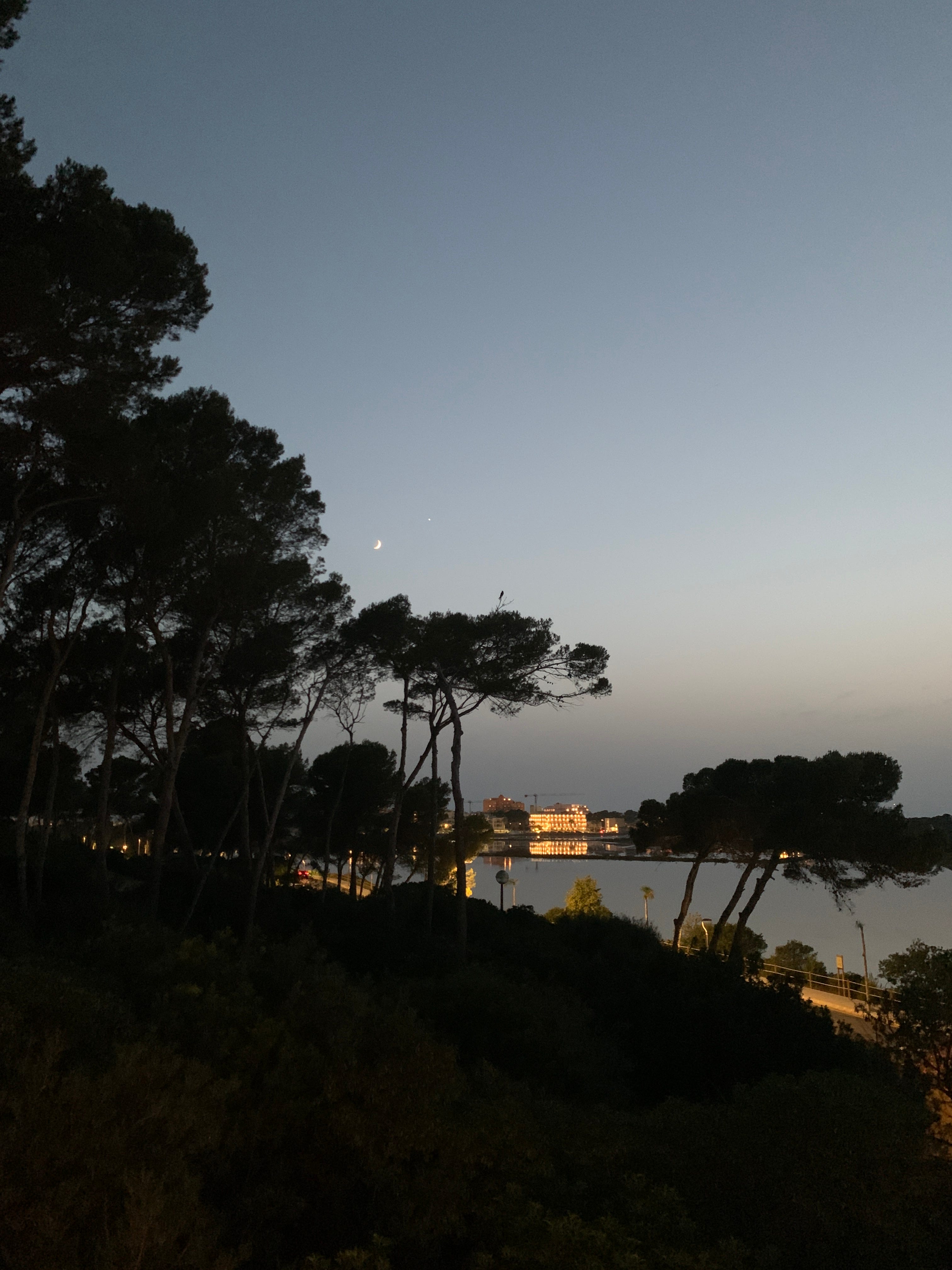
This was my post-final view.
I’ll take salt flats over post-match brawls every day.
It did far more for my nervous system than watching the chaos that unfolded after the final whistle.
The fighting.
The confrontations.
And then the sight of members of the Argentinian team turning their backs as winners Spain lifted the trophy.
For me, it summed up a tournament increasingly overshadowed by controversy.
Role models?
I’m not convinced.
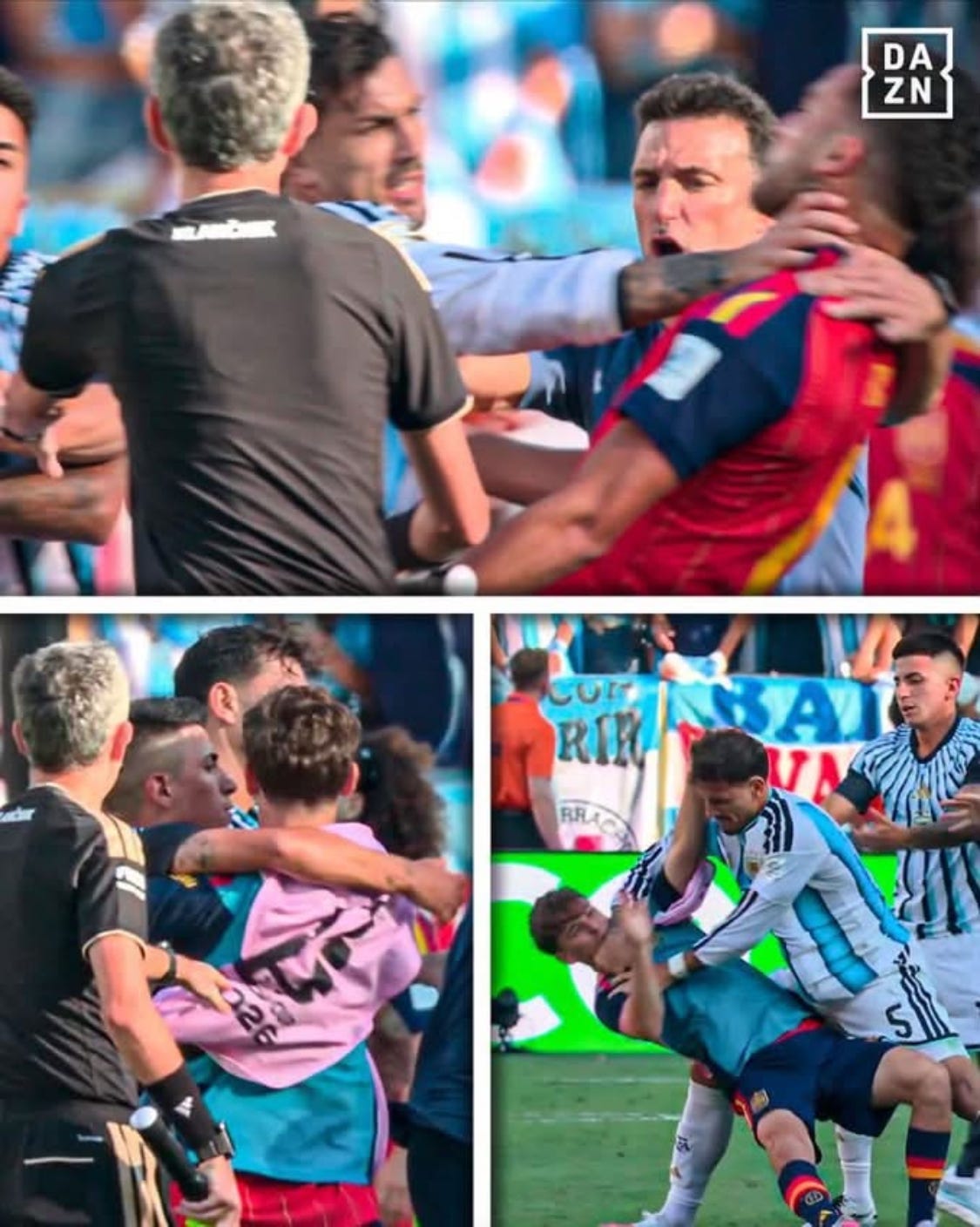
Some views calm the nervous system. Others remind us how easily sport can lose its way.
Serendipitus Planning
Months ago, we booked a long weekend in Spain on the way back home (sort of!) from our youngest daughter’s graduation at Bath University, in the UK.
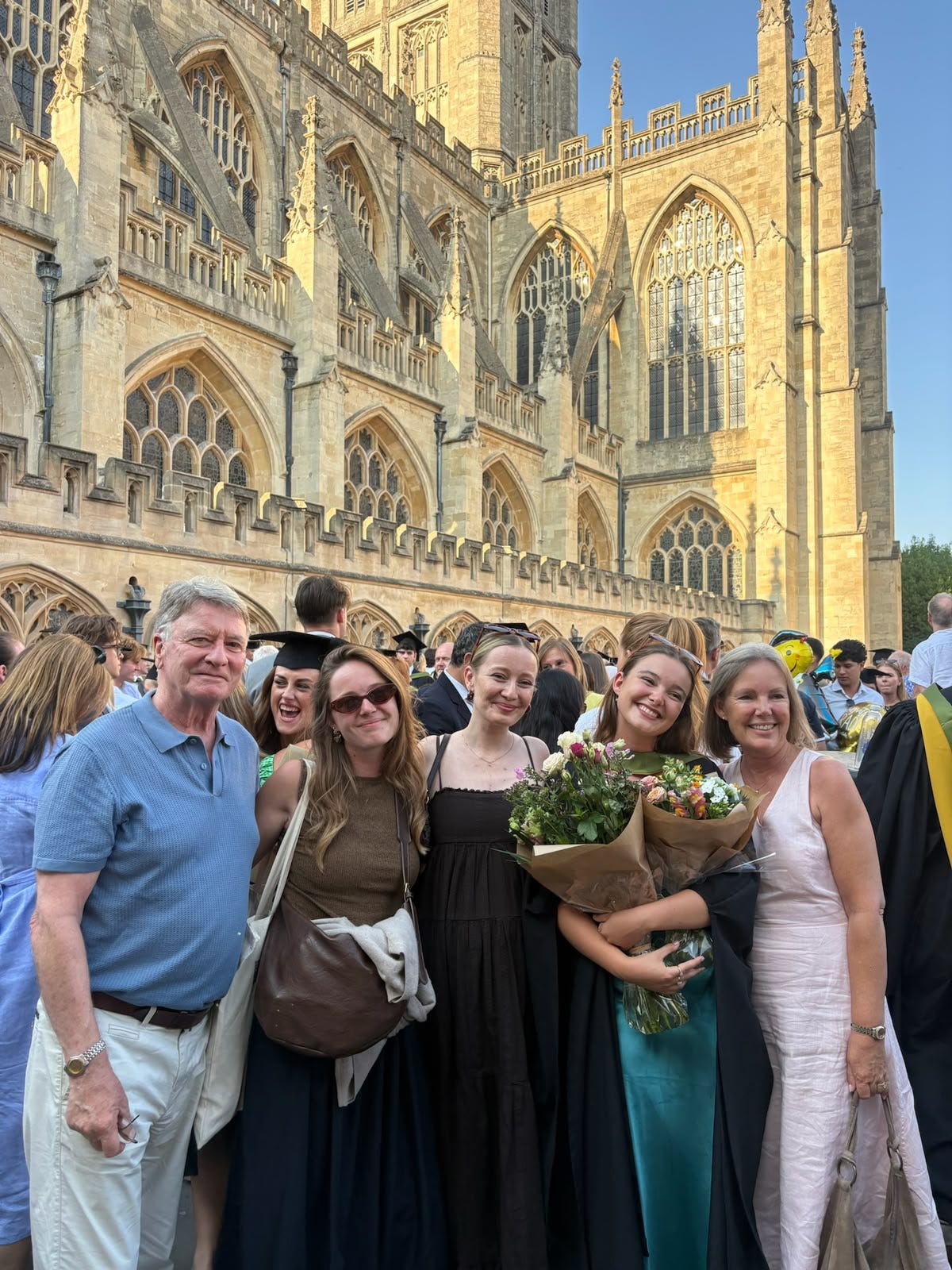
Completely by chance, we found ourselves watching the World Cup final in the winning country.
The atmosphere couldn’t have been more different from what was happening on the pitch.
Watching the hotel staff celebrate their nation’s success was genuinely heartwarming. Their pride wasn’t just in winning - it was in how their team had acquitted themselves.
Spain never seemed tempted to stoop to the tactics or behaviour of their opponents.
Justice, in sporting terms, felt like it had been served.
From Vineyards to Victory
One of the joys of travelling during the tournament was the variety of places in which we watched the matches.
The quarter-final was watched in a local vineyard.
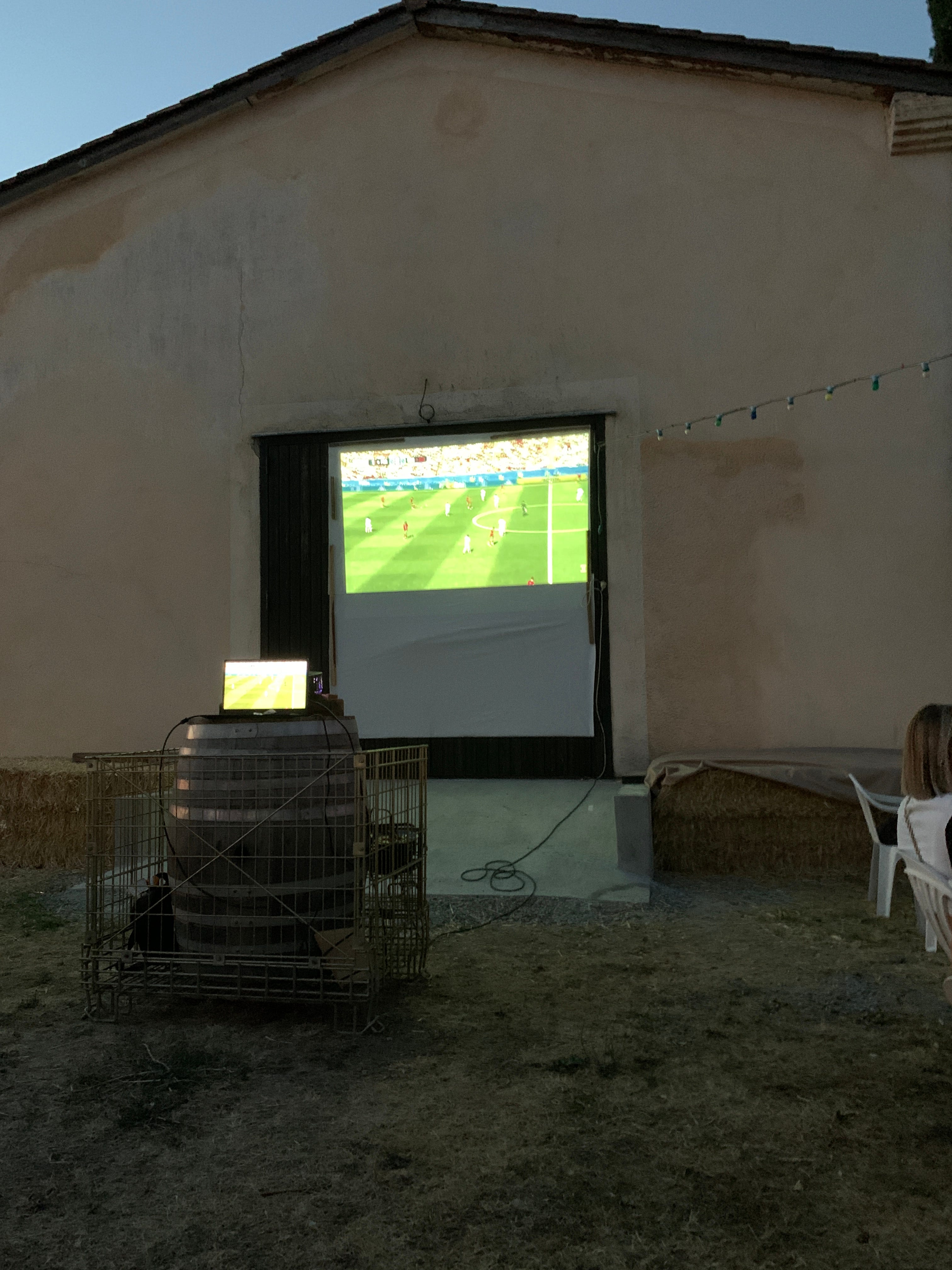
The semi-finals were watched canal-side in the UK.
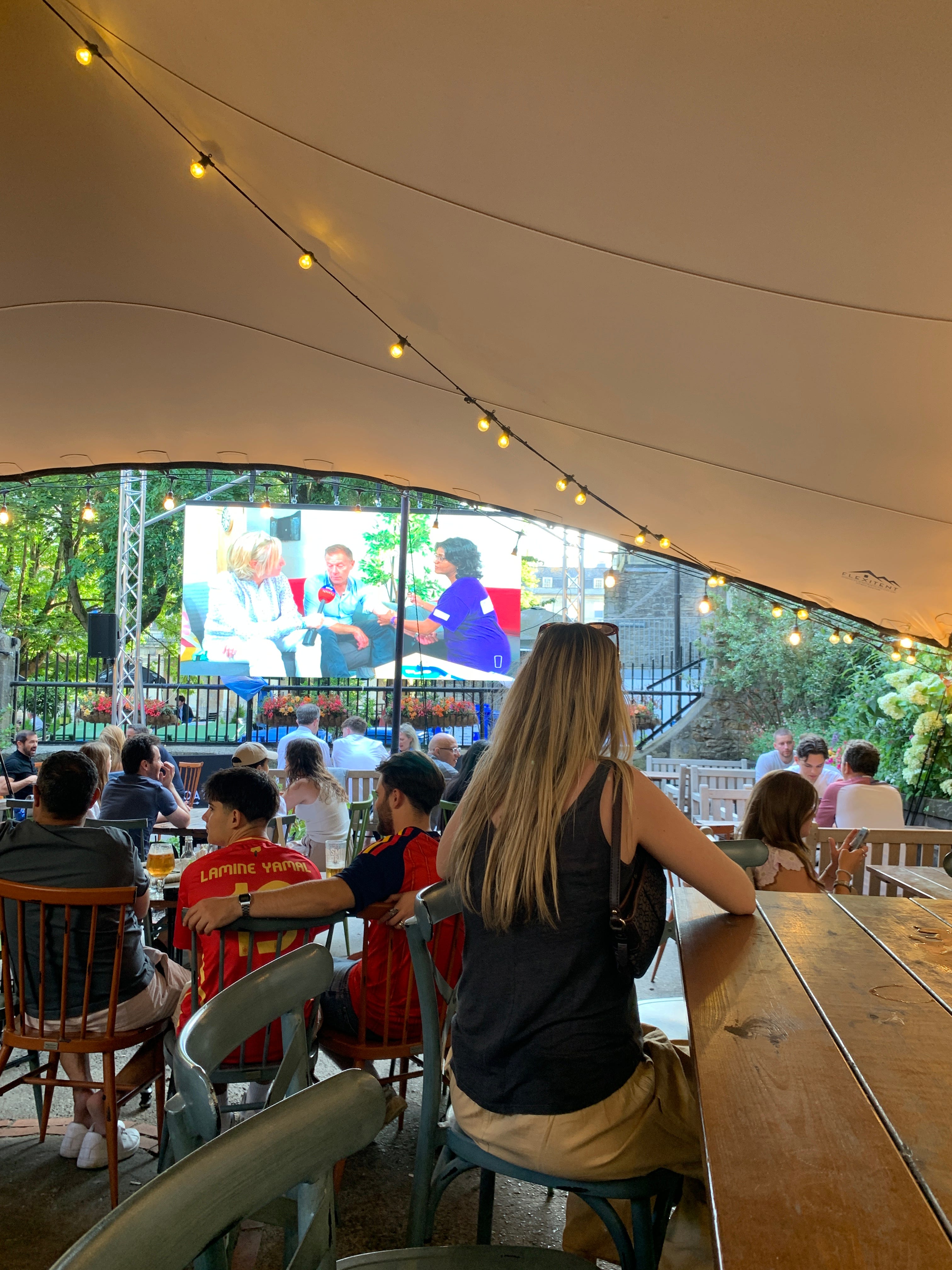
And then the final...
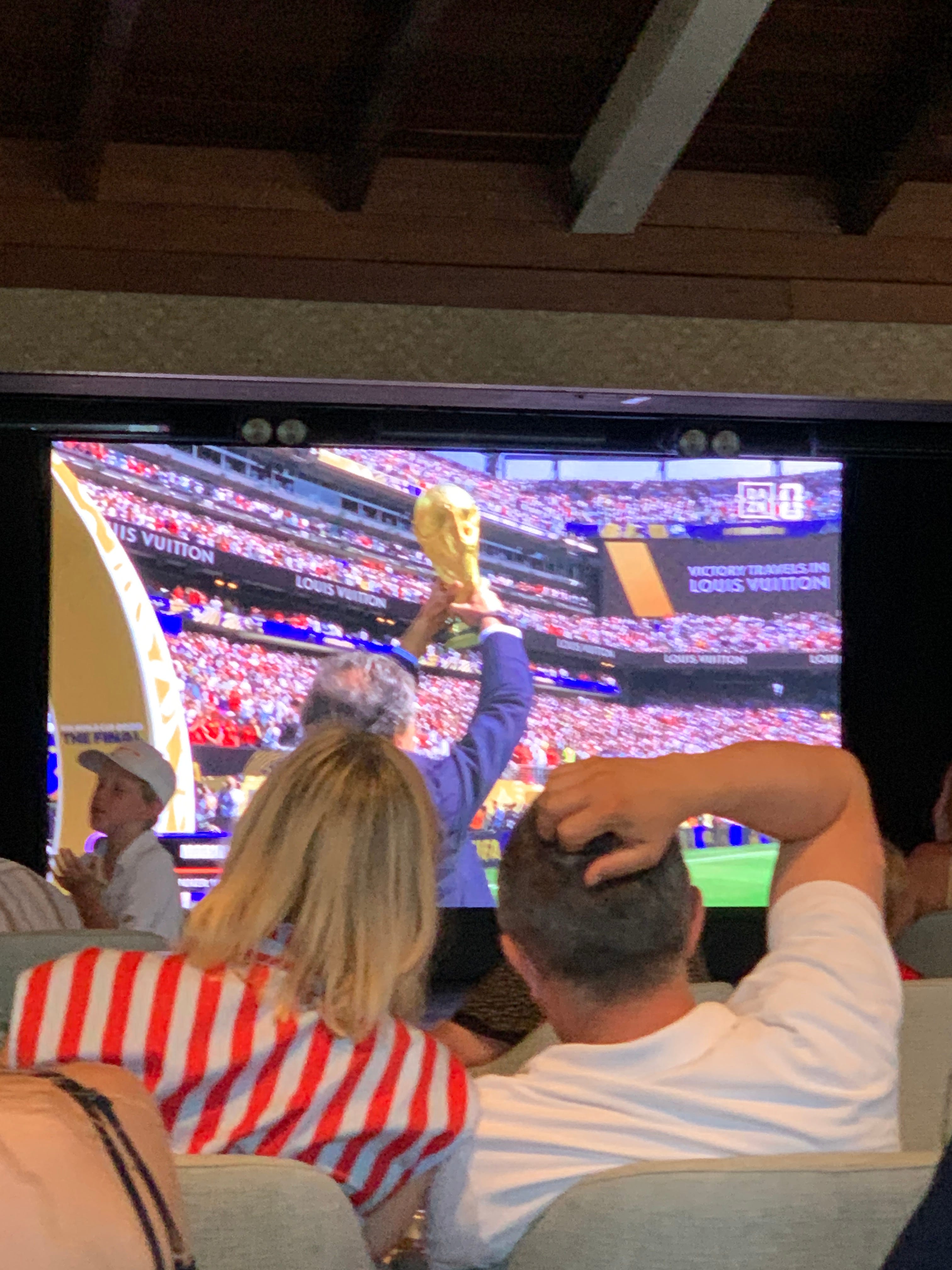
Which, oddly enough, seemed almost as much about luxury branding as football.
Watching the World Cup trophy emerge from its bespoke Louis Vuitton travel case, I couldn’t help wondering how much that sponsorship cost.
With a reported audience of around 1.5 billion, that’s some advertising opportunity.
Sometimes it felt as though the sponsors were getting almost as much screen time as the football.
The Messages We’re Sending
Commercial sponsorship has become inseparable from elite sport.
But it’s worth asking what messages we’re sending.
Fast food branding.
Sugary drinks.
Luxury goods.
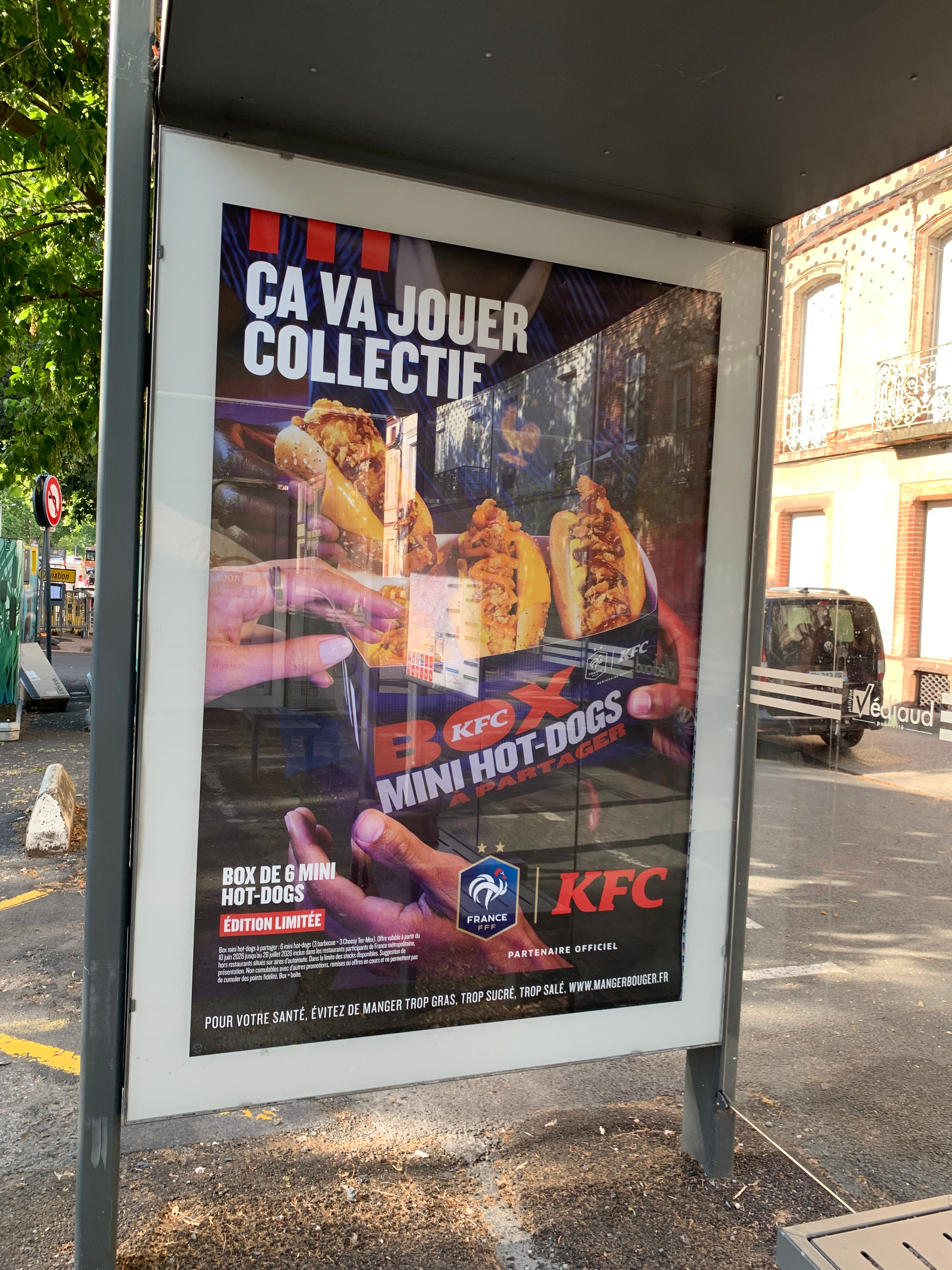
It’s impossible to ignore the contradiction between promoting elite athletic performance and surrounding it with products that do little to support public health.
Which is perhaps why one moment still stands out in my memory.
Cristiano Ronaldo famously moved soft drink bottles out of the camera shot during a press conference, replacing them with a simple message:
Drink water.
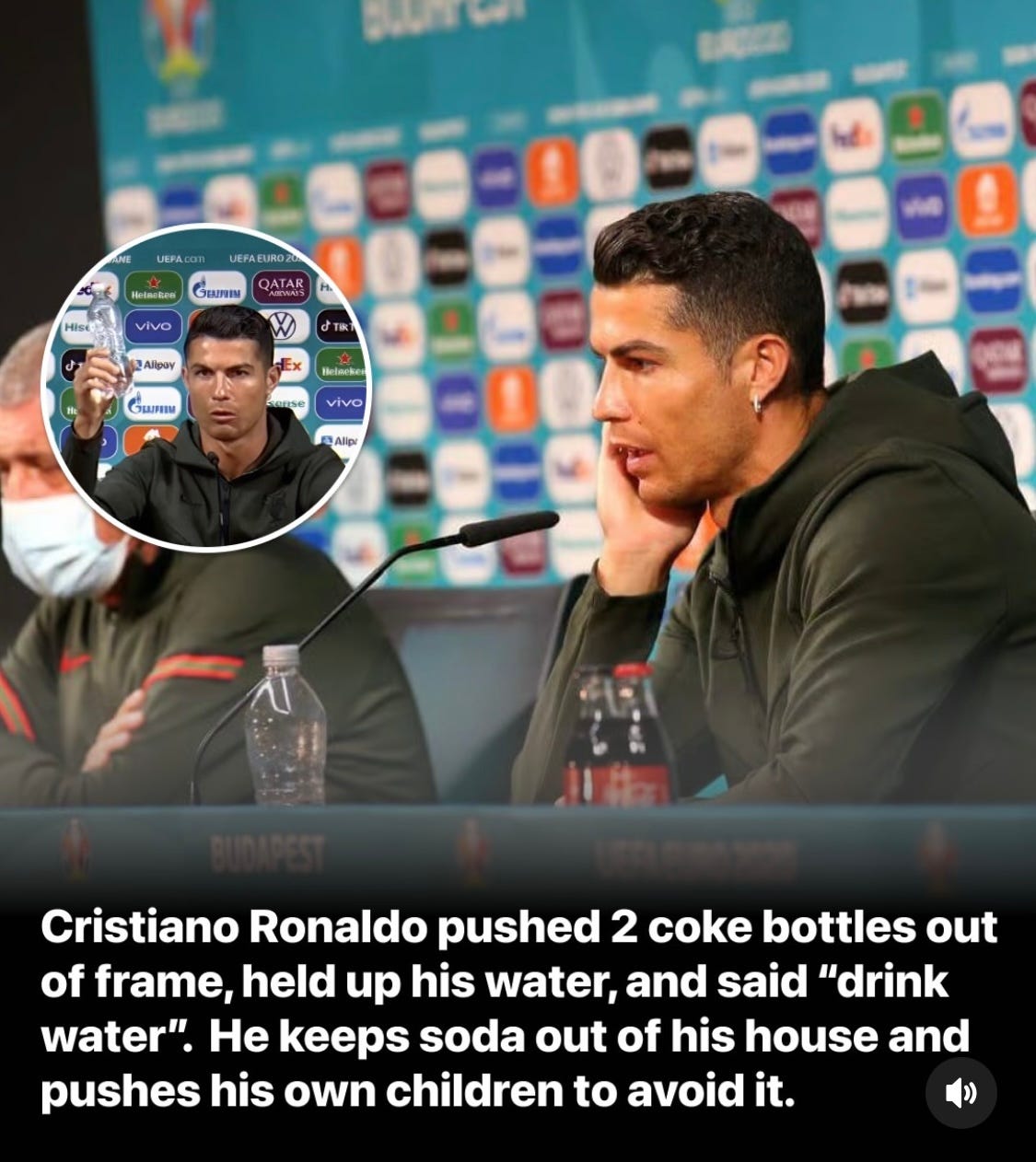
Whether you admire him or not, that felt refreshingly authentic.
The Biggest Own Goal
Ironically, the biggest own goal of the tournament wasn’t scored on the pitch.
It was the example it set.
When billions of people, especially children, are watching, sport has an opportunity to demonstrate respect, discipline and humility.
Too often during this World Cup, it did the opposite.
Thankfully, football still found a way to reward the best team.
Spain deserved their victory.
And perhaps that’s the most encouraging lesson of all.
Talent matters.
Character matters too.
Enhorabuena a la selección española. 🇪🇸