
Time for Tea?
Just Make it Green - and Plastic-Free

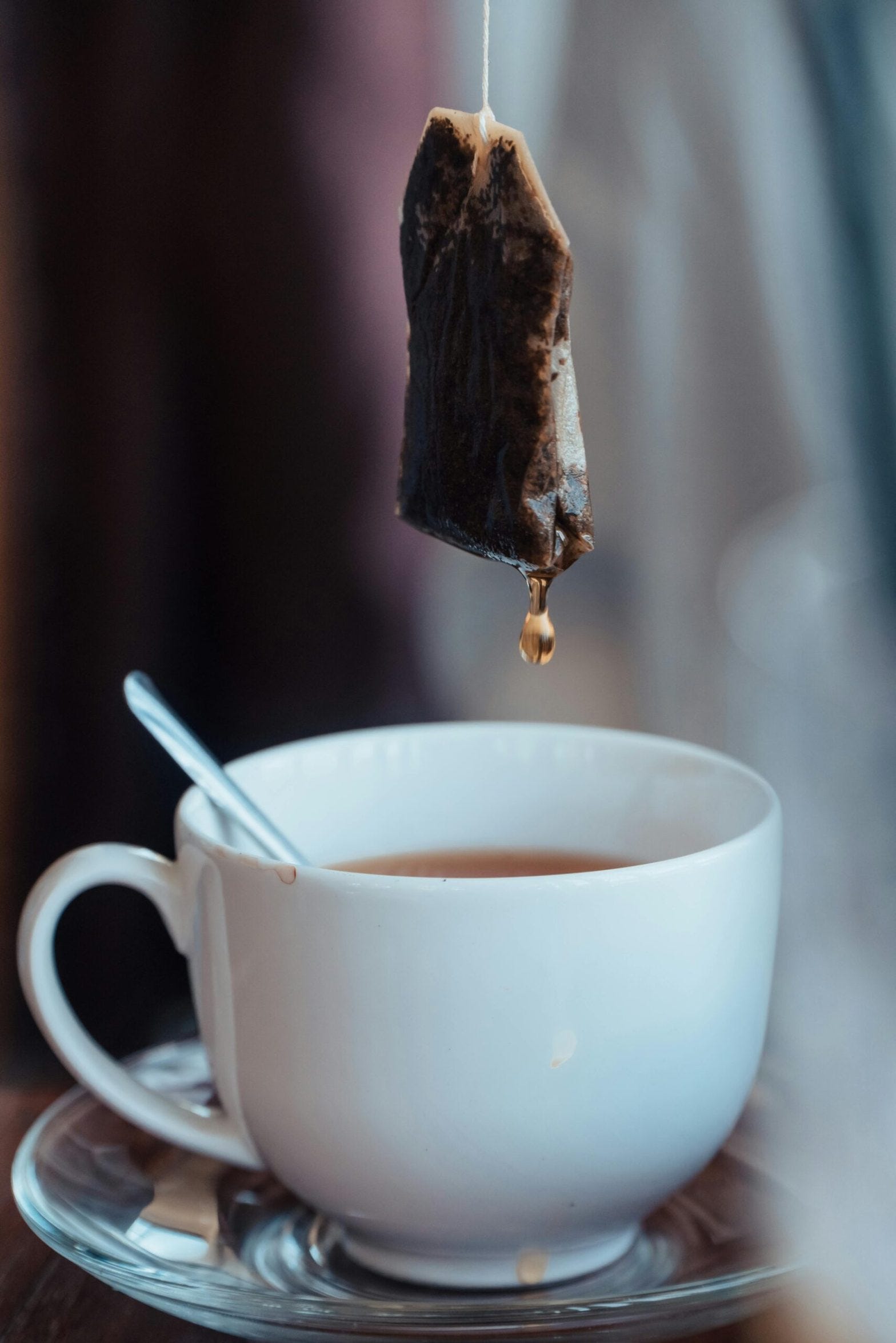
A good old cuppa used to be such a simple pleasure. Now? We’re forced to think about micro-plastics in our tea bags. A recent (and frankly scary) study shows, for the first time, how these particles are absorbed and are able to reach our bloodstream. Stainless Steel infuser everyone?
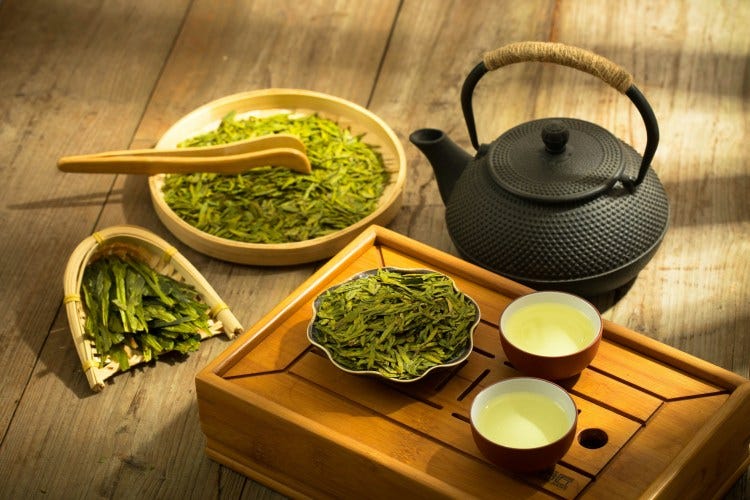
We now have a myriad of tea varieties available to us too. Solid research continues to show the health advantages of certain types, especially green tea thanks to its powerful EGCG compound. Amanda King ND breaks this down in her latest Substack article highlighting its many benefits. More from Amanda on our extensive cancer resource.
What else are you doing while sipping your tea? Short-form video scrolling has quietly become part of our daily rituals. New research is now showing its detrimental effects on health, as outlined in this latest paper. Is the dopamine hit worth it?
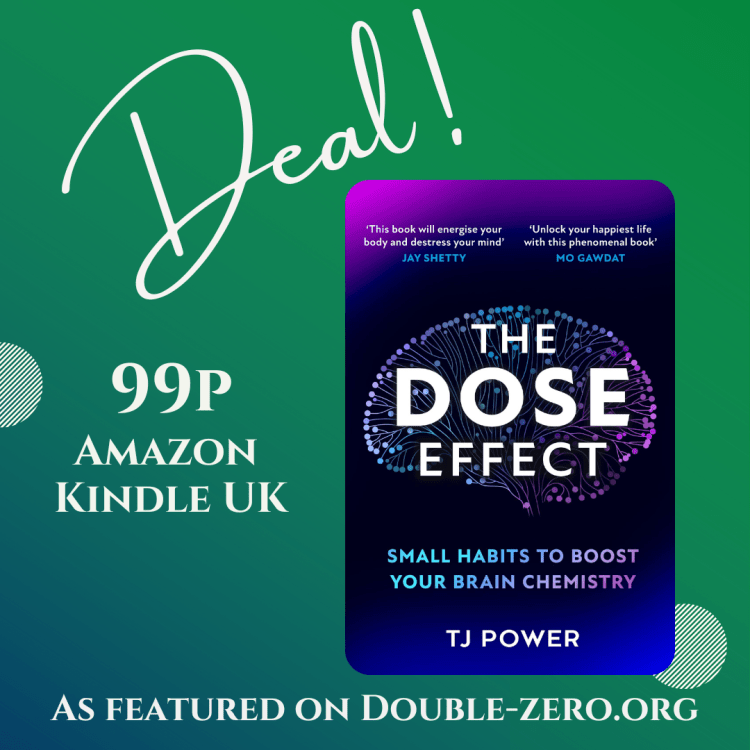
Speaking of dopamine:
The neuroscientist who authored this best-selling book recently flagged the above research. His deep dive into Dopamine, Oxytocin, Serotonin, and Endorphins has now been added to our Healthy Mind book resource.
Good timing too as it’s currently on offer via Amazon Kindle UK.

Time for some positivity for those hormones of ours.
Terri Edwards; the woman behind Eat Plant-Based, shares a powerful collection of healing stories, including her own. At 45, she reversed years of painful, swollen joints and reclaimed her health.
Give us a few days while we add these to our various Health Conditions resources – they’re worth the read.
Majestic beauty as Denise flew toward the sunrise on her way home from visiting family a couple of weeks ago.
Endorphin high. Right there.

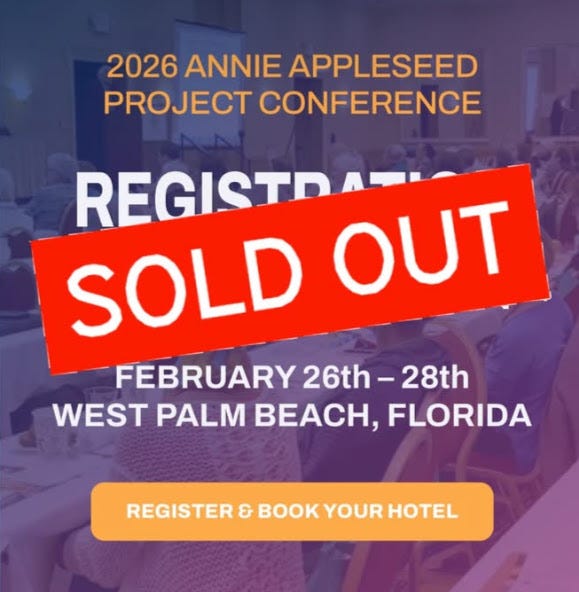
She’s off again in three weeks to speak at the sell-out Annie Appleseed Project cancer conference.
Tony Robbins – recognised as the No1 life coach in the world – is hosting his free annual 3-day summit on 29-31 January 2026
This is the one.
Free registration.
Once a year.
2.22 minutes of exceptional dancing from two tofu lovers.
The Chelsea women’s footballer went on to win Strictly Come Dancing at the end of 2025. Speaking to Plant Based News, she shared her healing strategy:
When I was at Chelsea, I was struggling with mental health, and when I did research, the one thing that came back was that a vegan diet could help – also with inflammation.
I only did it for the last year, and all the inflammation in my ankle went. My stats went through the roof.”More from Plant Based News is available on our Healthy Body resource.
There was a lot of noise surrounding the release of the new U.S. Government food pyramid this month.
Look at the stats from their own site:
50% of Americans have pre-diabetes or diabetes
75% of adults report at least one chronic condition
90% of U.S. healthcare spending goes toward treating chronic disease much of it linked to diet and lifestyle
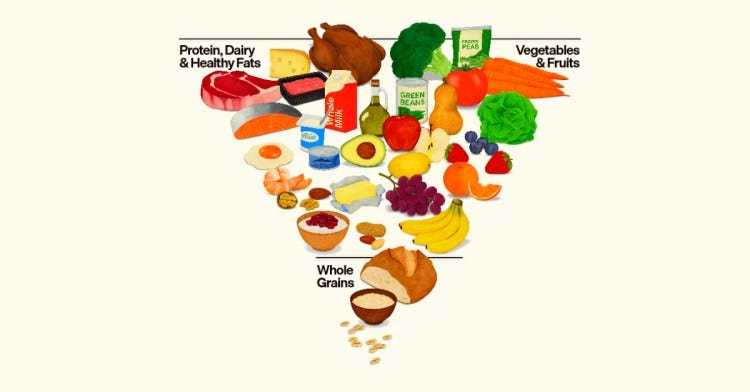
Time for change.
But is this the answer?
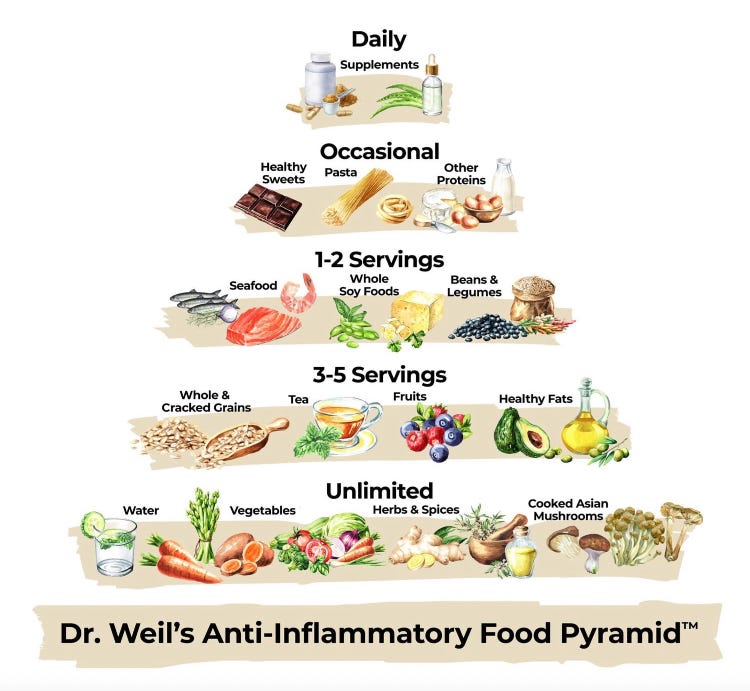
Dr Andrew Weil – featured on our nutrition resource since Day One – has a very different take.
Thoughts?
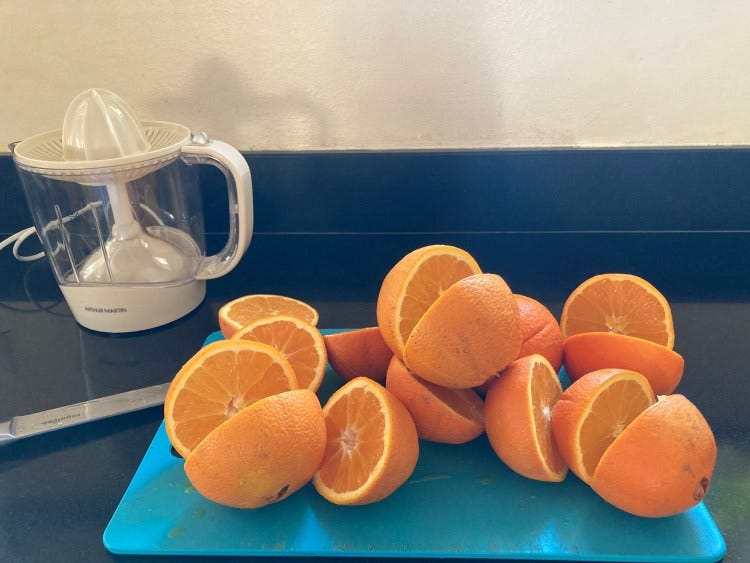
No one disputes these belong near the top of any pyramid.
Perfect immune system boosters.
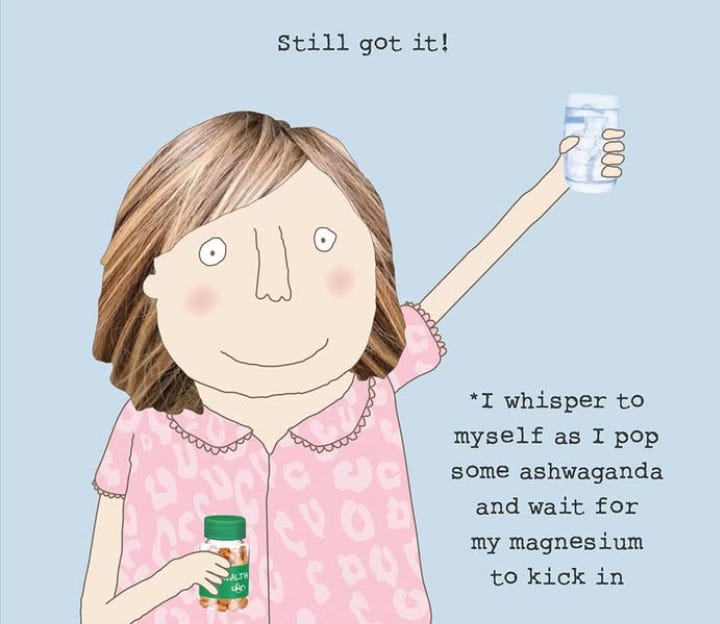
Fairly accurate. At this juncture, at least. (Thank you Rosie Made a Thing for the smile.)
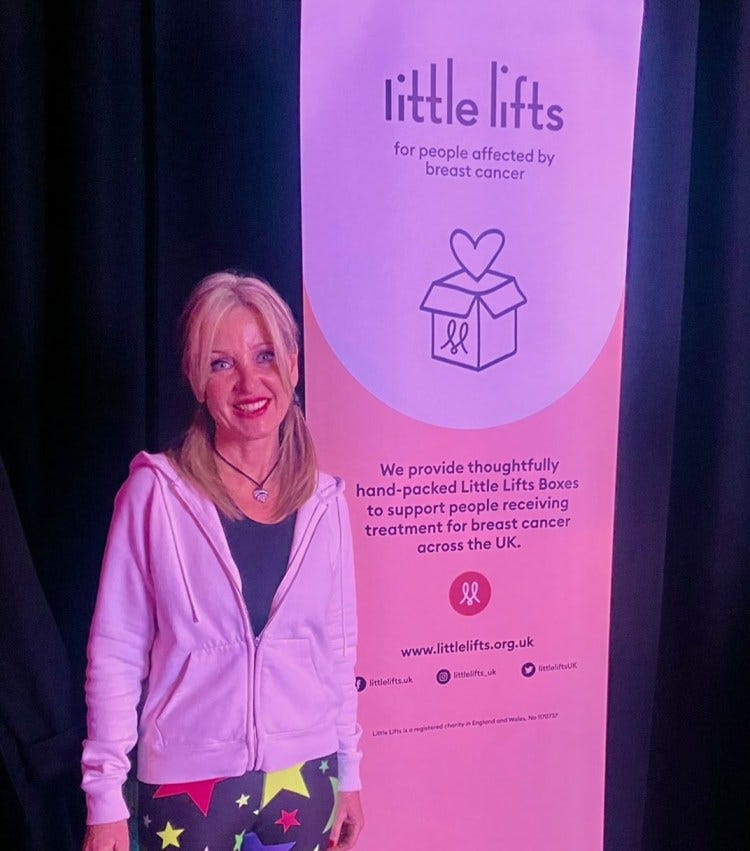
Our friend Helen shared this photo from last weekend while raising awareness for Little Lifts, a charity supporting people with breast cancer.
She knows far too many of us who have been affected. Little Lifts are bringing smiles where they’re badly needed.
You’ll find more support on our extensive cancer resource.
Ben West created this beautiful support resource after losing his brother to suicide in 2018.
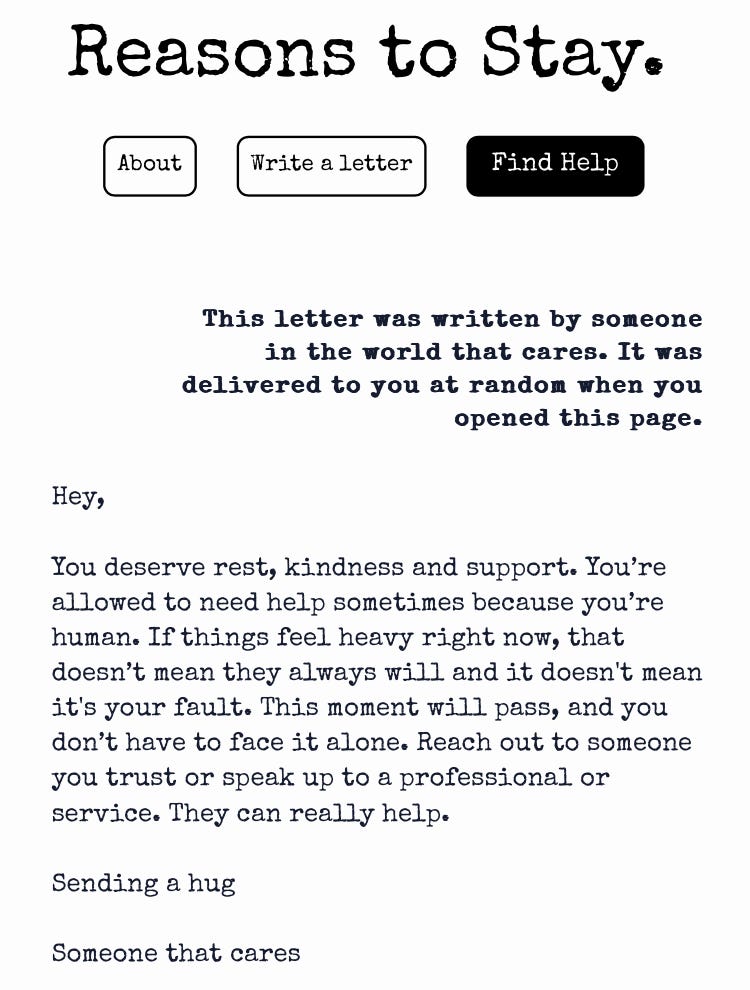
In just a few days:
110,000 letters written
74% of readers said a letter made them feel “much better”
Each refresh gives you a new letter.
This is what hope looks like. Beautiful.
Love this piece and the framing! “Time for tea” is one of those deceptively simple rituals that sits at the intersection of behavioral medicine + biochemistry.
From a physician-scientist lens, tea can be both:
1. a physiologic input (polyphenols like catechins/theaflavins; modest caffeine; L-theanine in green tea) that may support vascular function and metabolic signaling over time, and
2. a nervous-system intervention (a built-in pause that downshifts sympathetic tone, reduces impulsive snacking, and creates a reliable “state change” in the day).
The clinical nuance I always add for our longevity-focused readers: it’s not magic, but it’s high-leverage because it’s repeatable. The benefits come from the pattern, replacing sugar drinks, pairing it with a post-meal walk, or using it as a cue for a 2-minute reset. And of course, it’s individualized: caffeine sensitivity, reflux, iron supplementation timing, and sleep/circadian timing matter.
Thank you for making “small” habits feel both meaningful and doable!